 Complaints Procedure for Skip Hire Enfield
This Complaints Procedure sets out how concerns about skip provision, delivery, collection and associated rubbish services are handled. It applies to all customers and stakeholders who use or are affected by Skip Hire Enfield services, including third-party haulage partners. The aim is to ensure that every complaint is treated fairly, consistently and in a timely manner while protecting the rights of both the complainant and the service provider. This policy reflects a commitment to transparency, consistent resolution and continual improvement.
 Who can raise a complaint and what it should include: anyone who has purchased or been affected by an Enfield skip hire booking may make a complaint. To help with resolution, complaints should describe the incident, include booking references or job numbers where available, dates, locations and the names of staff or vehicles involved. Complaints about safety, damage to property, missed collections, pricing discrepancies, or unacceptable conduct by operatives will be investigated under this procedure.
Stage 1 — Acknowledgement and Initial Review
All complaints are logged on receipt and acknowledged promptly. On initial review the complaint is screened to identify immediate risk (for example, hazardous waste or an unsafe placement) and to assign the appropriate investigator. Acknowledgement will confirm who is handling the matter, the reference number and the expected timeline for response. The initial aim is to provide an acknowledgement within a set number of business days and an indication of the likely time to a full response.
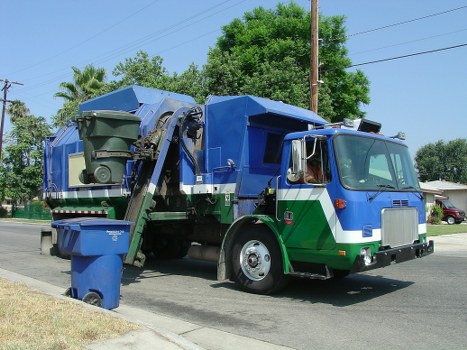 The investigator will gather relevant information, which may include booking records, vehicle logs, site photographs, and statements from drivers or operatives. Investigations strive to be proportionate and objective. Where third-party carriers or processing facilities are involved, the process will include liaison with those parties. Confidentiality is maintained throughout and records are retained according to data protection principles.
Resolution, Remedies and Timelines
Outcomes depend on the facts established during the investigation. Possible remedies include an explanation, apology, partial or full refund, credit against future services, rescheduling of a collection or replacement of a skip. Remedies are offered where a breach of service standards, pricing errors, or operational failures are found. Remedies do not extend to cover unrelated third-party claims or undemonstrated losses.
Where appropriate the following actions may be taken:
- Correction of operational errors (reschedule or re-deliver)
- Financial remedy (refund or credit)
- Procedural change to prevent recurrence
Decisions will be communicated in writing with the rationale and any remedial action. Timelines for final response aim to be reasonable; more complex matters may require additional time and will be updated to the complainant accordingly.
 Escalation and Independent Review: If a complainant is not satisfied with the initial outcome, they may request escalation to a senior manager for review. The escalation should set out reasons why the complainant considers the resolution insufficient and include any new evidence. Escalations will be reviewed by a senior representative not previously involved in the case. In cases where a statutory or industry ombudsman exists, information about escalation routes may be supplied, subject to confidentiality and legal constraints.
Special categories of complaint such as alleged damage to property, environmental harm or hazardous waste handling are subject to priority handling and may trigger immediate remedial measures or referrals to regulatory bodies. The company may temporarily suspend collections or deliveries at affected sites where safety or compliance is in question.
 Conduct, time limits and record keeping: Complaints must normally be made within a reasonable period after the event to ensure effective investigation. The service reserves the right to decline historic claims where records are no longer available. Frivolous or abusive complaints may be managed under a separate unreasonable complainant policy; reasonable adjustments are made for vulnerable customers. All complaints and outcome details are retained to support trend analysis and service improvement.
Quality assurance and continual improvement: Complaints are treated as a valuable source of information for improving local skip hire operations and rubbish removal Enfield workflows. Trends are reviewed periodically and can lead to retraining of staff, changes to route planning, updates to terms of service, or amendments to pricing and scheduling practices. Internal audits ensure compliance with this complaints process.
Legal and regulatory considerations: This complaints procedure operates alongside statutory rights and regulatory requirements. Nothing in this policy limits the legal rights of individuals or the obligation of the service to comply with environmental and waste management legislation. Where disputes cannot be resolved internally, parties may pursue alternative legal remedies as provided by law.
Final notes: The objective is a fair, prompt and transparent resolution mechanism for users of skip hire in the Enfield area. By following the steps set out above, complainants can expect their concerns to be handled professionally, with a commitment to resolving issues and learning from mistakes to improve future service delivery.