Skip Hire in Enfield
Skip hire in Enfield gives households, landlords and trades a straightforward way to manage bulky waste, renovation spoil and mixed rubbish in one place. The service suits clear-outs, refurbishment work, garden projects and ongoing site activity where a single container is more practical than repeated trips to a tip. We focus on practical skip options, sensible placement and waste types that can be managed responsibly, so the right container is selected for the job rather than forcing the job to fit the container.
Choosing the right size matters because overfilling, unsuitable waste and awkward access can all affect how smoothly collection goes. Our skip hire service is built around that decision, while the information on skip sizes and prices helps you compare capacities and understand the main cost factors before you book. If you already know the material you need to clear, the next step is usually simple: select the most suitable skip type and plan where it will sit.
Need a skip for Enfield? Use the details below to choose the right service, then request a quote when you are ready. A short call or enquiry with the waste type, access details and preferred dates is often enough to begin.
Domestic skip hire for home clearances
Domestic projects often create a mixed load of waste rather than one neat pile. Old furniture, bagged rubbish, broken shelves, packaging and light DIY debris may all appear together during a house clear-out or room refresh. Domestic skip hire suits that kind of work because it keeps the site tidy, gives you one central disposal point and avoids the stop-start rhythm of loading a vehicle for repeated disposal runs.
For many homes, the decision is less about whether to hire a skip and more about how to manage access, driveway space and the sort of waste being removed. Smaller skips can suit decluttering and light clearing, while larger containers are often better when fitted furniture, plasterboard, timber offcuts or mixed renovation waste are involved. If you are tackling a loft, garage or spare room, a skip can help keep the project organised from the first bag to the final sweep.
Clear-outs, refurbishments and ordinary household waste
Household work does not always need specialist handling, but it still benefits from the right disposal route. Our house clearance option is useful where contents need to be removed in a structured way, while garage and loft clearance can support those awkward spaces that tend to collect bulky, forgotten items. For lighter loads, the choice may be as simple as a domestic skip paired with careful sorting before collection.
Garden, outdoor and green waste
Outdoor jobs create waste that is often bulky but not especially complicated: branches, hedge cuttings, soil from re-levelling, turf, roots, broken fencing and old garden fixtures. Garden waste removal is useful when you want the material taken away without filling a car with muddy bags and awkward loads. It works well for seasonal maintenance as well as bigger one-off projects such as landscaping or clearing overgrown plots.
Not every outside job produces the same kind of waste, so the service needs to match the material. Site clearance can suit larger outdoor areas where mixed rubbish, packaging and residual debris need clearing together, while builders waste removal may be a better fit where patio work or hard landscaping has left rubble, timber and broken masonry. The practical question is always what the waste contains and how much space it will occupy once loaded.
Green waste usually handles well when it is kept separate from heavy rubble or household clutter. If you want a neater, more efficient load, stack branches and cuttings separately from mixed rubbish where possible, and avoid mixing in restricted items that need another disposal route. That approach can help the collection go more smoothly and keeps the load easier to assess when you request a quotation.
Builders skip hire and construction debris
Renovation and building work generate waste with more variation than many people expect. Broken plaster, bricks, packaging, timber, old fixtures, offcuts and dust from strip-out work can all appear in the same project. Builders skip hire is designed for that environment, giving trades and property owners a practical container for ongoing waste during building, refurbishment and alteration work. It is especially helpful when the site needs to stay workable and debris must be removed regularly rather than at the end of the job.
For heavier or more specialised construction waste, the broader construction waste disposal service is useful where the load contains a high proportion of inert or semi-inert material. It is worth thinking carefully about access, surface protection and the waste stream itself before ordering, because awkward positioning or unsuitable contents can make collection less efficient. The right arrangement supports the job and reduces the chance of the skip becoming a bottleneck on site.
Mixed rubble, strip-out waste and practical segregation
Construction projects often move through stages, and each stage creates a different waste profile. Strip-out work may bring doors, units, tiles and old fittings; later phases may generate plasterboard, packaging and timber; final tidy-up can involve sweepings and offcuts. In many cases, a combination of sorting at source and choosing the right container size is more useful than trying to treat every load identically. If you are planning a larger build, a clear sequence for waste removal keeps the site easier to work on.
Commercial waste, offices and business sites
Business premises, trade units and managed sites often need waste removal that fits around daily operations. Commercial skip hire helps with recurring clear-outs, refits, stockroom waste and general operational rubbish when a business needs a dependable disposal point. It is a practical option for sites that generate waste faster than it can be dealt with by ordinary bins, especially where a mix of packaging, broken fixtures and clearance material has to be handled together.
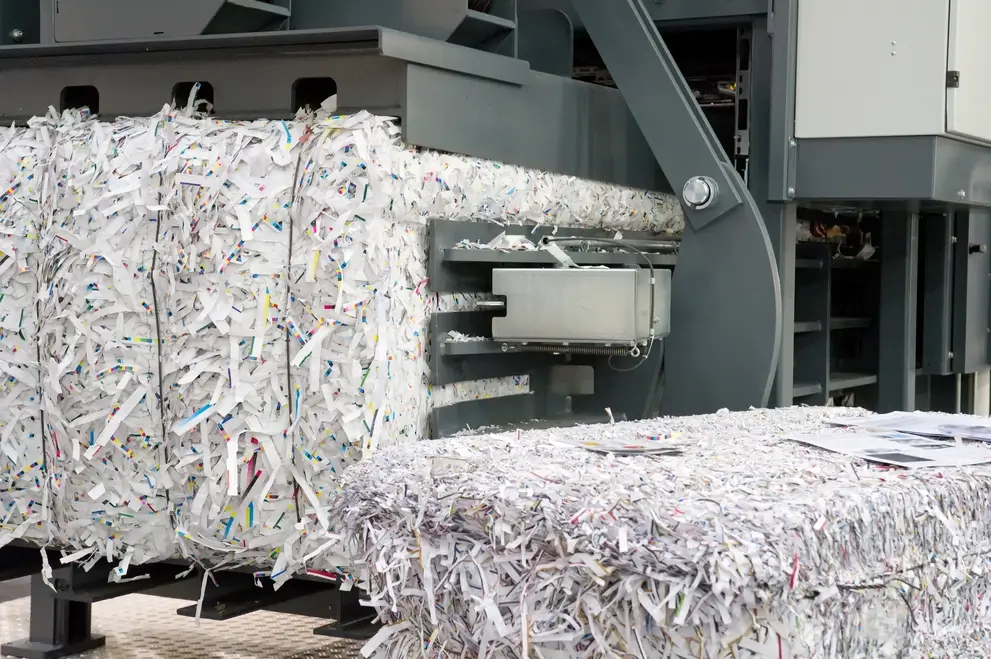
Where paperwork, old furniture or office contents are involved, office clearance can be a more suitable route than an open skip, particularly when items need removing in a more controlled way. Some businesses also need confidential shredding as part of their waste management plan when secure disposal of paper records is required. Choosing the right service depends on the type of waste, the level of sorting needed and the way the building is used each day.
Planning tip: if a business load includes both general refuse and items that need separate handling, list the categories before requesting a quote. That makes it easier to match the service to the work without over-ordering capacity or arranging the wrong disposal method.
Waste clearance for bulky household items
Some jobs are less about one container and more about removing specific bulky items or mixed room contents. Rubbish removal suits general accumulation and oddments that need taking away together, while mattress and sofa disposal deals with the awkward, space-heavy pieces that are difficult to move through ordinary waste channels. These services are useful when a skip would be excessive or when the items to be removed are already separated and ready for uplift.
For appliance-heavy clearances, fridge and appliance removal offers a better match for white goods and similar items that need careful handling. It is important to identify what is being removed before booking because not every bulky object behaves the same way once loaded. A mattress, for example, behaves very differently from a pile of mixed packaging or a dismantled wardrobe, and that affects the most sensible disposal route.
Where the waste is ready to move and access is straightforward, lifting and removal can be faster than arranging a larger container. Where the site is still active, however, a skip may remain the better choice because it keeps waste in one place until the end of the project. The right option depends on volume, item type and how quickly the waste is being produced.
How to choose the right skip size
Size is one of the main decisions in any skip booking because it affects capacity, convenience and the likely number of collections you will need. Smaller skips can work well for room clear-outs, simple DIY jobs and lighter domestic waste, while larger options are better suited to renovation debris or larger-scale clearances. The service page on skip sizes and prices is useful if you want to compare the common options before deciding.
Several practical factors influence the choice. Waste that is light but bulky takes up space quickly, while dense material such as rubble or soil can make a container reach its weight limit earlier than expected. If you are unsure, describe the project rather than simply naming the skip size you think you need. That gives a better basis for matching the container to the actual load and helps avoid paying for more capacity than the job requires.
- Estimate the main waste type: mixed rubbish, heavy rubble, green waste or bulky furniture.
- Consider where the skip will sit and whether access is tight.
- Think about whether the waste will arrive all at once or over several days.
- Check whether any items need separate disposal before the booking is confirmed.
Permits, placement and access
Where a skip can be placed is often just as important as which size you choose. On private land, a driveway or forecourt may be enough, but public-road placement can bring extra requirements. The skip permits page explains the kind of approval that may be needed when a container has to sit on a public highway. Thinking about this early saves time, especially if the project has a fixed start date or the available space is limited.
Access also affects the kind of skip that makes sense. Narrow entrances, low branches, parked vehicles or shared routes can all influence what can be delivered safely and where it can be positioned. If the waste area is awkward, a wait and load skip hire arrangement may be more suitable because it allows loading without leaving a container in place. That can be helpful where storage space is tight or where a permit would add unnecessary complexity.
Useful preparation: make a quick note of gates, width restrictions, parking limits and any obstacles that could affect delivery. A clear description at the enquiry stage usually leads to a better recommendation than a guess based only on volume.
When speed and flexibility matter

Some projects do not follow a neat schedule. Builders may finish ahead of time, weather may alter outdoor work, or a property clearance may need to be completed within a narrow window. Same day skip hire can be useful when waste needs to be removed quickly and the site cannot wait for a later slot. It is not the right answer for every job, but it is worth considering when timing matters as much as capacity.
Grab hire services can also be useful for large, loose or awkwardly stacked material, particularly where the load is substantial and access is manageable for a larger vehicle. For bulky waste with mixed contents, the best solution depends on the site conditions and how the waste is stored before collection. In some cases, the flexibility of grab hire is more practical than filling a container, especially when the pile is already gathered outdoors.
For customers comparing short-notice options, it helps to distinguish between the need for fast removal and the need for stored waste capacity. A skip remains useful when rubbish builds up over several days, while grab hire may be better when there is a single large pile ready to be taken away. Matching the method to the workflow is often the simplest route to a tidy site.
Waste handling, recycling and restricted materials
Good skip hire is not only about collection; it is also about what happens to the waste afterwards. Waste recycling services and recycling and sustainability show the wider approach to managing material after it leaves the site. In practical terms, that means separating recoverable streams where possible and avoiding contamination that makes sorting harder. Clear sorting at the point of disposal is often the easiest way to keep a load manageable.
Certain waste types need particular care or a completely different disposal route. Hazardous waste disposal is relevant where the material involves substances or items that should not be placed into a general mixed skip. The same principle applies to anything that could pose a risk during transport or treatment. If you are uncertain whether an item belongs in a skip, it is better to check first than to assume it can be included with ordinary rubbish.
For general household and trade waste, a simple rule helps: keep the load as clean as possible, keep restricted items separate and be realistic about volume. That makes the booking clearer, the collection easier and the final disposal route more appropriate to the material being removed.
About Enfield

Enfield is a large district in north London with roots that reach back to the medieval period and a present-day character shaped by suburban growth, transport links and pockets of older settlement. The area takes its name from the historic parish and town that developed around the Lea Valley and the route northwards out of London. Enfield Town remains a focal point, with its market tradition, civic buildings and shopping streets reflecting a long history of local administration and trade. The borough also includes well-known green spaces and waterways, among them parts of the Lea Valley, which has influenced both industry and recreation over time. Forty Hall, a Jacobean mansion set in parkland, is one of the area’s notable historic houses, while Myddelton House Gardens preserve the legacy of horticultural collecting and design associated with the Lee Navigation corridor. The borough’s built environment is varied, with terraces, interwar housing, later estates and older village cores all contributing to its layered appearance. Major routes and rail connections have long made Enfield part of the wider movement between London and Hertfordshire, yet parts of the borough still retain a quieter, more local feel. Parks, reservoirs and open land remain a defining feature, giving the district a balance between dense urban uses and accessible green space. That mix of old and new is visible in its high streets, civic landmarks and residential streets, which together show how the area has changed while preserving clear links to earlier phases of settlement and transport.
Quotation, booking and practical next steps
When you are ready to ask for a price, the most helpful details are usually the waste type, approximate volume, access conditions and where the skip or collection point needs to be. If the job involves mixed material, list the main categories rather than using a single broad description. That gives a better basis for recommending the service and avoids confusion later in the booking process. Keep the explanation simple and focused on what needs removing.
It is also sensible to mention anything unusual about the site, such as restricted entry, a narrow driveway, parking pressure or a need to avoid blocking access for neighbours or customers. If you are comparing container-based hire with direct removal, our pricing and quotes page is the natural place to start, and book online is available when you are ready to move ahead with the details. The clearer the enquiry, the easier it is to match the service to the work.
For straightforward help with skip hire in Enfield, use the service that best fits your waste and send through the key details when you are ready. Request a quotation today and choose the most practical route for your clean-up, clearance or project waste.