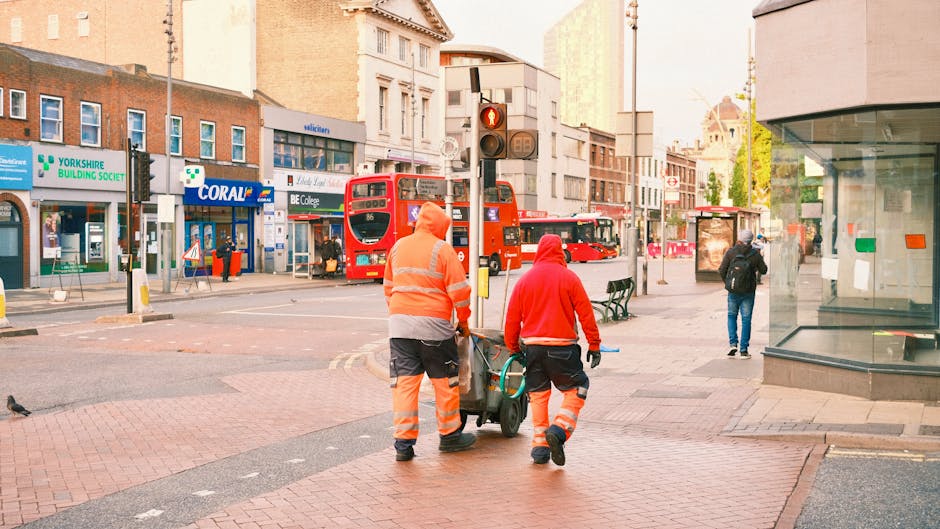
Rubbish clearance guide for Enfield Town High Street

If you need a rubbish clearance guide for Enfield Town High Street, you are probably dealing with one of those jobs that looks simple until you're standing there with bags, broken furniture, packaging, and a tight deadline. Shops, flats, offices, and homes around Enfield Town High Street all create different waste, and the right clearance method depends on space, timing, access, and what you actually need removed.
This guide breaks the process down in plain English. You'll find out what counts as rubbish clearance, how it usually works in a busy high-street setting, what to watch for, and which service options tend to suit different jobs best. No fluff. Just practical advice that helps you move forward without the usual headache.
- Why rubbish clearance on Enfield Town High Street matters
- How the clearance process works
- Key benefits and practical advantages
- Who this is for
- Step-by-step guidance
- Expert tips for better results
- Common mistakes to avoid
- Tools, resources and recommendations
- Law, compliance and best practice
- Options and comparison table
- Real-world example
- Practical checklist
- Conclusion
- Frequently asked questions
Why Rubbish clearance guide for Enfield Town High Street Matters
High-street waste removal is a different beast from clearing rubbish at a quiet residential address. Enfield Town High Street has pedestrian traffic, regular deliveries, public-facing businesses, and limited tolerance for clutter hanging about outside longer than necessary. A few bin bags may not sound like much, but they can quickly become an obstruction if they sit near shopfronts, entrances, or loading areas.
That matters for three reasons. First, there is safety: loose waste can trip people up, attract pests, or block access. Second, there is presentation: nobody wants customers walking past overflowing bags or a battered sofa on the pavement. Third, there is practicality: the tighter the space, the more careful you need to be about where waste goes, how long it stays there, and how it is collected.
In our experience, the biggest issue is not the rubbish itself. It's the timing. A clearance that takes five minutes in theory can take half a day if a vehicle cannot park nearby, items have to be carried through a narrow entrance, or permission is needed for temporary placement. That is exactly why a local-minded approach makes sense.
Quick takeaway: on a busy high street, the best rubbish clearance plan is usually the one that removes waste quickly, keeps access clear, and avoids awkward surprises on the day.
How Rubbish clearance guide for Enfield Town High Street Works
Most rubbish clearance jobs follow a straightforward pattern, although the details change depending on whether you are clearing a flat above a shop, an office, a retail unit, or a domestic property nearby. The workflow normally starts with identifying the waste type, then choosing the right collection method, then arranging a time that works with traffic, staff schedules, and access.
For some people, a full-service collection is the easiest route. That means the crew loads the waste, carries it out, and handles disposal. For others, a skip is better if the rubbish is generated over several days or if there is an ongoing renovation. If space is limited, wait and load skip hire can be a neat solution because the vehicle stays only long enough to load, which is often far less awkward on a busy street.
There is also the question of waste type. General mixed rubbish is one thing. Heavy builders' debris is another. Confidential paper, white goods, mattresses, garden cuttings, and hazardous items all need more thought. If you are unsure what can be placed together, it is worth checking what can go in a skip before you book anything. Saves a lot of back-and-forth later.
Typical clearance jobs on or near the High Street might include:
- shop refits and packaging waste
- office clear-outs and filing disposal
- flat clearances with bulky household items
- trade waste from light refurbishment work
- garden waste from rear courtyards or shared spaces
- single-item collections such as sofas, fridges, or mattresses
The key is to match the method to the job, not the other way round.
Key Benefits and Practical Advantages
A sensible rubbish clearance setup does more than make things look tidy. It can free up working space, reduce stress, and help keep your day moving. That's especially valuable in a busy local centre where access windows can be short and everyone seems to want the same patch of road at the same time.
Here are the main advantages people usually notice first:
- Less disruption: the right method reduces the time waste sits outside or inside your property.
- Better space management: helpful for shops, offices, and homes with awkward layouts.
- Cleaner finish: professional collection usually means fewer leftover bits and less sweeping up at the end.
- Improved safety: fewer trip hazards, blocked walkways, and unstable piles of junk.
- More predictable timing: especially useful when contractors, customers, or staff are on site.
- Waste handled properly: a good service should separate and route materials for recycling where possible, which is better for both compliance and sustainability.
There's also a surprisingly underrated benefit: peace of mind. Anyone who has tried to juggle a clearance with a phone ringing, a delivery arriving, and a front entrance that is too narrow for a bulky item will know what I mean. It can get messy fast.
If sustainability matters to you, take a look at recycling and sustainability to understand how waste is typically processed and why separating items early can save time.
Who This Is For and When It Makes Sense
This guide is useful for anyone dealing with waste around a busy commercial or residential stretch of Enfield Town. It is especially relevant if you are working with limited space, a short deadline, or mixed waste types.
You may need this if you are:
- a shop owner clearing packaging, shelving, or display fittings
- a landlord preparing a property for new tenants
- a homeowner tackling a loft, garage, or full house clear-out
- a contractor removing builders' waste after light works
- an office manager disposing of furniture, documents, or old equipment
- someone replacing a fridge, sofa, or mattress and wanting it gone quickly
It also makes sense when waste is too much for normal bins but not quite enough to justify a massive, complicated setup. Truth be told, a lot of clearances in this part of London sit in that middle ground. Not tiny, not enormous. Just awkward enough to need a proper plan.
For domestic clear-outs, domestic skip hire can work well if you are clearing gradually. If the job is more like a one-off collection, rubbish removal is often the simpler option.
Step-by-Step Guidance
Here is a practical way to tackle rubbish clearance without overcomplicating it.
- Sort the waste first. Separate general rubbish, cardboard, wood, metals, electricals, furniture, and anything potentially hazardous.
- Estimate the volume. Is it a few bin bags, a roomful of clutter, or a full load from a refurbishment? That answer decides a lot.
- Check access. Measure doors, stairwells, alleyways, loading points, and any tight turns. Small detail, big difference.
- Choose the collection method. Skip, wait-and-load, man-and-van, grab hire, or a specialist removal service.
- Think about timing. Early morning or quieter periods may be easier on a high street. Sometimes that one hour window is everything.
- Confirm restricted waste. Items like fridges, chemicals, paint, and asbestos-like materials may need separate handling.
- Book with clear instructions. Be precise about access, parking, waste type, and any stairs or rear entrances.
- Prepare the waste. Put items in one place, keep walkways clear, and avoid mixing prohibited items into general loads.
- Watch the collection day. If possible, stay available for a quick handover. It makes the job smoother.
- Check the finish. A good clearance should leave the area safe and tidy, not half-finished with odd bits left behind.
If you are handling a project where a skip is the right fit, check skip sizes and prices before you decide. Size mistakes are one of the easiest ways to make a simple job expensive.
Expert Tips for Better Results
After enough clearances, a few patterns become obvious. The jobs that go smoothly are usually the ones with proper sorting, realistic timing, and a plan for bulky items.
Here are the tips that genuinely help:
- Keep heavy items at the bottom of the load. It sounds obvious, but people still stack awkwardly and make handling harder than it needs to be.
- Separate fragile from messy waste. Broken glass, damp cardboard, and old textiles can make everything more unpleasant to move.
- Be honest about the quantity. "Just a few bits" often turns into two van loads and a bin bag avalanche. Happens all the time.
- Use a lockable option if the waste may sit overnight. An enclosed and lockable skip hire setup can be a smart choice in busier areas.
- Think about weather. Rain makes cardboard heavier, walkways slick, and the whole process more annoying. Not dramatic, just true.
- Plan for recyclables early. Wood, metal, cardboard, and some plastics can often be separated before collection.
A useful rule of thumb: if you would hesitate before lifting it, transporting it, or leaving it outside, mention it during booking. It saves time and avoids grumbling on the day. Nobody needs that.
Common Mistakes to Avoid
Most clearance problems come from simple assumptions. The item seems fine. The access seems fine. The parking seems fine. Then the collection team turns up and the reality is a bit different.
Watch out for these common errors:
- Underestimating the load size: a half-full room can still generate far more waste than expected.
- Ignoring access limits: narrow entrances, steps, and shared passageways matter more than people think.
- Mixing unsuitable waste: hazardous items or electricals can complicate the entire collection.
- Leaving waste scattered: scattered loads slow down the team and create extra risk.
- Booking the wrong method: a skip may be overkill for a small clear-out, while a man-and-van may be too slow for a major renovation.
- Forgetting permit considerations: if a skip needs to sit on the public highway, a permit may be needed. The exact position matters.
If you want to avoid the permit headache altogether, a short-hold service can help. skip hire permits are worth understanding before anything is left on-road, especially around a high street where space is tight and public access matters.
And yes, the classic mistake is still alive and well: one person says, "We'll just move it all in the morning." Then morning arrives, and the pile looks twice as large. Funny how that happens.
Tools, Resources and Recommendations
You do not need a shed full of specialist gear to organise a good clearance, but a few simple tools make the job easier and safer.
- Strong sacks or boxes: useful for bagging loose items and keeping small debris contained.
- Gloves: helpful for sharp edges, dusty materials, and odd bits of old furniture.
- Mask and hand wipes: especially sensible for dusty lofts, garages, or long-stored items.
- Tape measure: useful when checking whether a sofa, fridge, or desk will fit through the route out.
- Notebook or phone checklist: quick way to record what is being removed so nothing gets missed.
For heavier or more awkward jobs, it helps to know the service family available. grab hire services can be helpful for larger loose loads, while man and van suits smaller clearances with lifting support. If your waste is more trade-focused, builders waste removal or construction waste clearance may be the better route.
For extra reading on how general waste is handled, waste recycling services explains the broader disposal approach in a simple way.
Law, Compliance, Standards, or Best Practice
For rubbish clearance, the safest approach is to follow accepted UK waste-handling practice and be careful with anything that could create a legal or safety issue. You do not need to be a compliance expert, but you do need to be sensible about who handles the waste, what is inside it, and where it ends up.
A few best-practice points are worth keeping in mind:
- Duty of care matters: if you produce waste, you should take reasonable steps to ensure it is transferred to a legitimate carrier and handled properly.
- Hazardous items need extra caution: chemicals, asbestos-like materials, paints, oils, and some electrical components should not be treated like ordinary rubbish.
- Electricals and appliances may need specialist handling: large items such as fridges and freezers are often collected separately.
- Confidential waste should be secured: paper records and business files are best dealt with carefully. A service such as confidential shredding is a sensible fit when privacy matters.
- Roadside placement may be regulated: if a container is left on the highway, permit rules can apply.
It is also wise to choose providers that are transparent about safety, insurance, and payment handling. That is not just bureaucracy; it is a basic trust issue. If you want extra reassurance, you can review insurance and safety and the terms and conditions before booking.
Best practice in plain English: don't guess, don't hide restricted items, and don't leave the awkward stuff for "someone else to sort out later". Later is where problems live.
Options, Methods, or Comparison Table
Choosing the right clearance method is usually about access, volume, and speed. Here is a straightforward comparison to help you think it through.
| Method | Best for | Strengths | Possible drawbacks |
|---|---|---|---|
| Rubbish removal | Small to medium mixed loads | Fast, simple, little planning needed | May cost more for larger volumes |
| Skip hire | Ongoing projects or staged clear-outs | Flexible, convenient for repeat use | Needs space and sometimes a permit |
| Wait and load | Busy streets or no-storage jobs | No long-term roadside placement | Needs the load ready quickly |
| Grab hire | Heavy, loose, or bulky waste | Good reach and fast loading | Needs enough vehicle access |
| Man and van | Smaller or awkward clear-outs | Flexible and hands-on | Less efficient for very large jobs |
If you are deciding between them, ask a simple question: do I need speed, space, or flexibility most? The answer usually points you in the right direction. For many domestic projects, house clearance is the most convenient route. For larger site work, site clearance may be more suitable.
Case Study or Real-World Example
Picture a small retail unit near Enfield Town High Street after a refit. There are old display shelves, cardboard from new stock, a damaged counter, some packaging straps, and a few electrical bits that cannot just be tossed together. The shop still needs to open the next day. No one wants a pile sitting outside the front door by lunchtime.
In a case like that, the smartest approach is usually to sort the waste by type first, move anything sensitive or valuable to one side, and book a collection method that can work around the street's traffic and access. If the load is mixed but not huge, a man-and-van style collection may work well. If the waste is bulkier or the fit-out is larger, a skip or wait-and-load arrangement may be the more efficient choice.
What makes the difference is not magic. It's just good planning. The team knows where the waste is, how much there is, and whether they will be carrying it through a side entrance or front access point. The collection then feels almost calm, which, let's be honest, is exactly what most people want on a busy weekday morning.
Another common example is a flat clearance above a shop. Stairs, narrow landings, and shared hallways change everything. In that case, bulky items like wardrobes and mattresses may need a more careful handover. If that sounds familiar, mattress and sofa disposal can be a useful specialist option, and fridge and appliance removal is worth considering for white goods.
Practical Checklist
Use this checklist before you book or begin a clearance:
- Have I sorted the rubbish into clear groups?
- Do I know roughly how much needs removing?
- Is there enough access for collection or loading?
- Have I checked whether any waste is restricted or hazardous?
- Do I need a permit if anything sits on the highway?
- Do I need a skip, a short-hold service, or full rubbish removal?
- Are bulky items measured so I know they can get out of the building?
- Have I set a time that works with opening hours or deliveries?
- Do I want recyclable items separated first?
- Have I checked the booking details, payment, and service terms?
If you are handling an office job, you may also want to look at office clearance. For larger domestic tidy-ups such as lofts and garages, garage and loft clearance can save a lot of lifting.
Get a free quote today and see how much you can save.
Conclusion
A good rubbish clearance guide for Enfield Town High Street is really about making one simple job feel manageable. When you think ahead about access, waste type, timing, and the right collection method, the whole process becomes much less stressful. You spend less time worrying, less time shifting things twice, and less time wondering whether the load is even going to fit.
For some readers, the best solution will be a quick removal. For others, it will be a skip, a grab vehicle, or a wait-and-load collection. There is no single perfect answer. The right choice depends on the shape of your space and the kind of waste you are dealing with.
Take it one step at a time, keep the load honest, and don't be afraid to choose the simpler option if it gets the job done cleanly. That's usually the smartest move, and sometimes the calmest one too.
When you're ready, a well-planned clearance makes the space feel lighter almost immediately. Funny how much breathing room a cleared corner can create.
Frequently Asked Questions
What is the best rubbish clearance option for Enfield Town High Street?
The best option depends on space and volume. For smaller or mixed loads, rubbish removal or man-and-van services are often easiest. For ongoing work, skip hire may be more practical. If roadside space is limited, wait and load can be a good compromise.
Do I need a permit for rubbish clearance near the High Street?
You may need a permit if a skip or container is placed on public highway space. If everything stays on private land, a permit may not be needed. Because street access can be tight, it is worth checking before booking.
Can I put furniture and bulky items in a skip?
Often yes, but it depends on the item and the service conditions. Sofas, tables, and similar bulky waste are commonly accepted, while some items may need separate handling. Check what can go in a skip before you load anything.
What happens if I have hazardous waste?
Hazardous waste should be kept separate and handled with care. Do not mix it with ordinary rubbish. Items such as chemicals, oils, and some construction materials may need specialist disposal.
Is wait and load better than skip hire for a busy street?
It often is, especially where parking or roadside space is limited. The vehicle stays only long enough to load the waste, which can make it much less disruptive than leaving a skip in place.
How do I know whether I need rubbish removal or a skip?
If the waste is ready to go and you want it taken away quickly, rubbish removal is usually easier. If you are generating waste over several days or weeks, a skip can give you more flexibility.
Can I clear an office or shop in one go?
Yes, but it helps to separate confidential items, electricals, and bulky furniture first. Office clearance is usually smoother when documents and equipment are sorted before collection.
What should I do with a fridge or freezer?
Fridges and freezers are best handled separately because they can't always go in with general waste. Appliance removal is usually the safer and simpler choice.
How can I reduce rubbish clearance costs?
Sort waste before collection, choose the right service for the job, and avoid paying for more capacity than you need. Accurate volume estimates and good access planning can make a big difference.
Is confidential waste handled differently?
Yes. Documents, files, and other sensitive papers should be kept secure and destroyed through a proper confidential shredding service rather than mixed into normal rubbish.
What if I only have a small amount of rubbish?
If the load is light, man-and-van or single-item removal may be the simplest option. For just a few bulky items, it is usually better not to overthink it. Small job, simple fix.
Where can I find more about the company and booking process?
You can review about us, check pricing and quotes, or use book online if you already know what you need. If you still have questions, contact us is the natural next step.